
Disclosure: this article contains sponsored links.
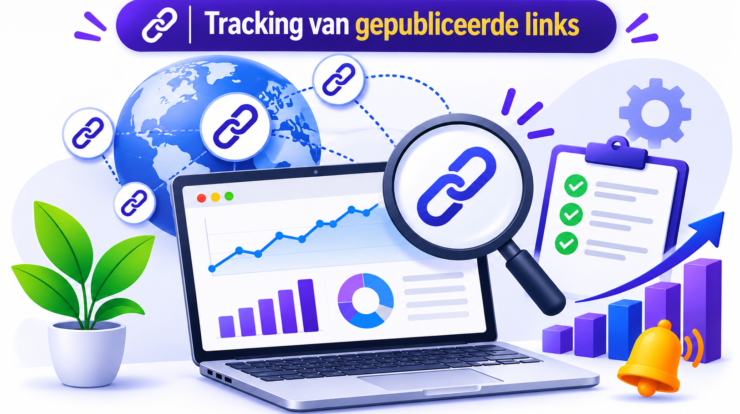
A link placement is not the end of an SEO task. Pages can change, links can disappear, and a published URL may take time to be discovered by search engines. Tracking van gepubliceerde links-Dutch for tracking published links-means keeping a reliable record of placements and checking that each one still works as expected. A simple process can save teams from relying on old emails and assumptions.
Why link tracking matters
When a business earns or arranges links from other websites, it needs to know what was published, where it appeared, and whether the live page matches the agreed work. Without that record, it is difficult to spot a removed link, a changed destination, or a page that was never published at all.
Tracking is also useful for analysis, but it should not be confused with measuring direct traffic. A backlink may help search engines understand a site’s relevance and authority, yet it may send few visitors. Conversely, a link can bring referral traffic even if it has little measurable effect on rankings. Keep these outcomes separate when evaluating a campaign.
Build a link log that answers useful questions
A spreadsheet is enough for many small teams. The important thing is to use consistent fields so that someone else can understand the record later. For every placement, capture:
- Source URL: the page containing the link, not just the publisher’s homepage.
- Target URL: the exact page on your site that the link should point to.
- Anchor text: the visible words used for the link.
- Publication date and status: when it went live, and whether it is pending, published, changed, or removed.
- Page and placement notes: the article title, relevant context, and whether the link is editorial, sponsored, or otherwise qualified.
- Last checked: the date a person or monitoring process most recently confirmed the live page.
Adding the campaign, publisher contact, and agreed delivery details can help with follow-up. Avoid collecting fields that nobody will maintain. A compact, current log is more useful than a large sheet full of blank columns.
Check the live page, not just the report
When a placement is marked complete, open the source page and verify it yourself. Confirm that the page loads, the link is visible, the anchor text is reasonable, and the destination is correct. Check whether the link has a rel attribute such as nofollow or sponsored if that matters to your reporting. These attributes affect how a link is qualified; their presence alone does not make a placement defective.
Then revisit important placements on a schedule. A monthly check may be enough for a small campaign, while a large programme may justify automated checks for broken pages or changed link targets. Automation can flag a problem, but a human should review it before treating it as a confirmed loss. Temporary server errors, redesigns, and crawler limitations can produce false alarms.
Separate link status from SEO results
A successful status check only tells you that a link appears to be present. It does not prove that the page has been indexed, that search engines pass ranking signals through the link, or that organic traffic will increase. Those are separate questions, and they may take time to assess.
For cleaner reporting, track link health alongside broader outcomes such as organic clicks, impressions, and changes to the pages you are trying to improve. Use a consistent date range and note other changes made during the same period, including content updates and technical fixes. That makes it less tempting to attribute every ranking movement to one backlink.
Plan the workflow before outsourcing
Link work can involve research, writing, outreach, publishing, and follow-up. If you delegate any part of it, define the deliverable clearly: for example, whether the work includes a live source URL, a specified target page, a publication report, and a later status check. For publisher placements or other link-related workflows, teams can review the Dutch-language iCopify page as one resource while deciding how they want to manage the process.
The same principle applies when hiring independent specialists. Before choosing a provider, compare freelance services by scope, not only by headline price: check what is included, how revisions work, and what evidence of completion you will receive. Osdire is one marketplace option for hiring across areas such as writing, marketing, and technology. A clear brief makes it easier to compare offers and reduces confusion about who is responsible for monitoring a published placement.
A practical review routine
- Record the agreed placement and destination before work begins.
- Verify the source page and link when delivery is reported.
- Mark the check date and save any relevant notes in the log.
- Recheck high-priority links on a recurring schedule.
- Investigate missing or altered links before updating campaign conclusions.
Tracking published links is straightforward when it is treated as ordinary maintenance rather than a one-time reporting task. Keep a clean record, verify live pages, and judge link health separately from SEO performance. That gives a team a more dependable view of what was delivered—and a better basis for deciding what to do next.